Introduction:
Traveling the World Without Leaving Home.
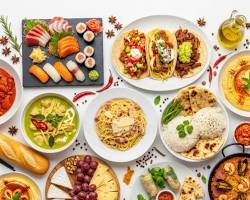
Food has an incredible ability to transport us across borders, cultures, and traditions. Even if you never leave your home, your kitchen can become a gateway to the world. By exploring global cuisines, you can experience the flavors, aromas, and stories of different countries right from your own stove. Cooking international dishes is not just about following recipes—it’s about understanding traditions, embracing new ingredients, and appreciating diverse ways of life. This journey through global cuisines will inspire you to expand your culinary horizons and turn everyday cooking into an exciting cultural adventure.
The Importance of Food in Culture
Food is deeply connected to culture, history, and identity. Every dish tells a story—of geography, climate, traditions, and people. Ingredients are often shaped by what is locally available, while cooking techniques reflect generations of knowledge passed down through families. When you cook dishes from different parts of the world, you’re not just preparing a meal—you’re connecting with the culture behind it. Understanding this cultural context adds meaning to your cooking and makes the experience more enriching.
Starting Your Culinary Journey at Home
Embarking on a global culinary journey doesn’t require expensive equipment or rare ingredients. Start with simple recipes and gradually expand your repertoire. Choose a country or region that interests you and explore its staple dishes. Research traditional ingredients and try to find local substitutes if needed. Many international ingredients are now widely available in supermarkets or online stores. Begin with familiar flavors and slowly introduce new spices and techniques to build confidence.
Exploring the Flavors of Asia
Asian cuisine is incredibly diverse, offering a wide range of flavors, textures, and cooking styles. From the bold spices of South Asia to the delicate balance of East Asian dishes, there is something for everyone.
South Asian Cuisine: Rich and Spiced
South Asian dishes are known for their vibrant spices and rich flavors. Curries, lentils, and rice-based dishes form the backbone of this cuisine. Ingredients like turmeric, cumin, coriander, and garam masala create complex and aromatic profiles. Cooking techniques often involve slow simmering to allow flavors to develop fully.
East Asian Cuisine: Balance and Simplicity
East Asian cuisine emphasizes balance—sweet, salty, sour, and umami flavors are carefully combined. Stir-frying, steaming, and boiling are common techniques. Rice, noodles, soy sauce, and fresh vegetables are staples. Dishes are often light yet flavorful, focusing on the natural taste of ingredients.
Southeast Asian Cuisine: Bold and Aromatichttps://shef.com/homemade-food/asian-regional-cuisines/southeast-asian-food/
Southeast Asian food is known for its bold and vibrant flavors. Ingredients like lemongrass, coconut milk, chili, and lime create a unique combination of sweet, sour, spicy, and savory tastes. This cuisine is perfect for those who enjoy exciting and dynamic flavor profiles.
Discovering European Culinary Traditions
European cuisine offers a mix of rustic comfort food and refined dishes, each reflecting the region’s history and culture.
Mediterranean Cuisine: Fresh and Healthy
Mediterranean cooking focuses on fresh, seasonal ingredients such as vegetables, olive oil, herbs, and seafood. It is known for its simplicity and health benefits. Dishes are often light yet satisfying, making them ideal for everyday meals.
Western European Cuisine: Classic and Comforting
Countries in Western Europe are known for their rich and comforting dishes. From creamy sauces to hearty stews, this cuisine emphasizes depth of flavor. Baking is also a significant part of the culinary tradition, with breads and pastries playing a central role.
Eastern European Cuisine: Hearty and Filling
Eastern European dishes are often hearty and designed to provide warmth and sustenance. Ingredients like potatoes, cabbage, and meats are commonly used. These dishes are perfect for colder climates and offer a sense of comfort and tradition.
Tasting the Diversity of African Cuisine
African cuisine is incredibly diverse, with each region offering unique flavors and ingredients. Staples such as grains, legumes, and vegetables are combined with spices to create flavorful dishes. Cooking methods often include grilling, stewing, and frying. African food is known for its bold flavors and communal dining traditions, where meals are shared and enjoyed together.
Experiencing the Vibrancy of Middle Eastern Cuisine
Middle Eastern cuisine is rich in flavor and tradition. Ingredients like olive oil, garlic, lemon, and spices are used to create aromatic dishes. Grilled meats, flatbreads, and dips are common elements. This cuisine emphasizes hospitality and sharing, making it perfect for gatherings and family meals.
Exploring the Americas Through Food
The Americas offer a wide range of culinary experiences, influenced by indigenous traditions and global cultures.
North American Cuisine: Diverse and Innovative
North American cuisine is a blend of influences from around the world. It includes everything from comfort food to modern fusion dishes. This diversity makes it an exciting area to explore in your kitchen.
Latin American Cuisine: Bold and Flavorful
Latin American food is known for its bold flavors and vibrant colors. Ingredients like corn, beans, chili, and fresh herbs are staples. Cooking techniques often involve grilling, roasting, and slow cooking, resulting in rich and satisfying dishes.
Building Your Global Pantry
To cook international dishes at home, it’s helpful to build a global pantry. Start by stocking essential spices, sauces, and grains from different cuisines. Items like soy sauce, olive oil, curry spices, and dried herbs can be used in a variety of recipes. Having these ingredients on hand makes it easier to experiment with new dishes and flavors.
Learning New Cooking Techniques
Exploring global cuisines also means learning new cooking techniques. From stir-frying and grilling to baking and slow cooking, each method offers unique results. Watching tutorials, reading recipes, and practicing regularly can help you master these techniques. Over time, you’ll become more confident and skilled in preparing a wide range of dishes.
Adapting Recipes to Your Taste
When trying new cuisines, don’t be afraid to adapt recipes to suit your preferences. Adjust spice levels, substitute ingredients, or modify cooking methods as needed. The goal is to enjoy the process and create dishes that you love. Cooking is a creative activity, and experimenting with flavors can lead to exciting discoveries.
Creating a Cultural Dining Experience
To enhance your culinary journey, consider creating a cultural dining experience at home. Set the table with décor inspired by the cuisine you’re exploring, play traditional music, and serve dishes in authentic styles. These small touches can make your meals more immersive and enjoyable, turning dinner into a memorable experience.
Cooking as a Way to Connect
Cooking global cuisines is a wonderful way to connect with others. You can share meals with family and friends, exchange recipes, and learn about different cultures together. Food has a unique ability to bring people closer, fostering understanding and appreciation for diversity.
Overcoming Challenges in Global Cooking
Trying new cuisines can come with challenges, such as finding ingredients or mastering unfamiliar techniques. However, these challenges can be overcome with patience and creativity. Look for local alternatives, start with simple recipes, and gradually build your skills. Every attempt is a learning experience that brings you closer to mastering global cooking.
The Joy of Experimentation.
One of the most exciting aspects of exploring global cuisines is the opportunity to experiment. Mixing flavors, trying new ingredients, and creating your own variations can make cooking more enjoyable. Don’t be afraid to step outside your comfort zone—some of the best dishes come from unexpected combinations.
Maintaining Balance and Variety
Incorporating global cuisines into your cooking routine can add variety and balance to your diet. Different cuisines offer a wide range of nutrients and flavors, helping you maintain a healthy and enjoyable eating pattern. Rotating between different styles of cooking keeps meals interesting and prevents monotony.
Conclusion: Your Kitchen as a World Stage
Your kitchen has the potential to become a stage where the world’s cuisines come to life. By exploring different cultures through food, you can expand your culinary skills, discover new flavors, and create meaningful experiences. This journey doesn’t require travel—just curiosity, creativity, and a willingness to try something new. With each dish you prepare, you take another step in your global adventure, proving that the world truly is at your fingertips, right in your own kitchen.
Leave a Reply