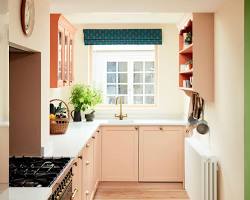
Introduction: Turning Limitations into Opportunities.
A small kitchen may seem restrictive at first, but it can actually be a chance to create a highly efficient, stylish, and personalized area. With careful planning and imaginative solutions, even the smallest kitchens can become functional and inviting. The key is to change your perspective; focus on possibilities instead of limitations. A small kitchen inspires smarter design choices, better organization, and a more intentional use of space. By maximizing every inch and using clever design elements, you can create a kitchen that looks great and meets your everyday needs.
Understanding the Challenges of Small Kitchens
Before exploring solutions, it’s important to recognize the common challenges of small kitchens. Limited counter space, lack of storage, poor lighting, and restricted movement can make cooking and organizing tough. These issues often create clutter, which hinders functionality. Identifying these problems is the first step toward addressing them. Once you know what’s not working, you can apply specific strategies to improve efficiency and comfort. The goal is to design a space that feels open, organized, and easy to navigate, no matter its size.
Smart Layout Planning for Efficiency
In a small kitchen, layout is key. Every element should be placed thoughtfully to ensure smooth workflow. The classic kitchen work triangle, which connects the sink, stove, and refrigerator, is still a helpful guideline even in compact spaces. Keeping these key areas easily accessible reduces unnecessary movement and increases efficiency. Consider layouts like galley, L-shaped, or single-wall kitchens, which work well in smaller areas. Avoid overcrowding your kitchen with excess furniture or appliances. A well-planned layout can make your kitchen feel significantly larger and more functional.
Maximizing Vertical Space
When floor space is tight, vertical space becomes essential. Using walls for storage can greatly increase your kitchen’s capacity without making it feel cramped. Install tall cabinets that reach the ceiling for less frequently used items. Open shelves can display dishes, jars, and decorative pieces while keeping essentials close at hand. Hooks, racks, and magnetic strips can hold utensils, pots, and knives, freeing up valuable counter and drawer space. By thinking vertically, you can uncover hidden potential in your kitchen.
Choosing the Right Color Palette
Color is crucial in how a space is perceived. Light colors like white, cream, and soft pastels can make a small kitchen feel more open and airy. Reflective surfaces, such as glossy cabinets or tiles, can enhance this effect by reflecting light. While darker colors can add depth and sophistication, they should be used sparingly to prevent making the space feel smaller. Adding subtle contrasts through accents or textures can create visual interest without overwhelming the area. A thoughtfully chosen color palette can significantly change the atmosphere of your kitchen.
Optimizing Lighting for Space Enhancement
Good lighting is essential in a small kitchen. It improves function and creates the illusion of a larger space. Use a mix of lighting types for the best results. Ambient lighting provides overall illumination, while task lighting brightens work areas. Under-cabinet lighting is especially useful in small kitchens, brightening countertops without taking up room. Maximize natural light by keeping windows clear and using light curtains to let in sunlight. A well-lit kitchen feels more open, welcoming, and practical.
Multi-Functional Furniture and Appliances
In a small kitchen, every item should have more than one purpose. Multi-functional furniture and appliances help save space while keeping things practical. For example, a foldable table can serve as both a prep area and a dining spot. Stackable stools or chairs can be neatly stored when not in use. Appliances that combine functions, like a microwave with convection features, reduce the need for additional equipment. Selecting versatile items helps keep your kitchen uncluttered and efficient.
Creative Storage Solutions
Storage can be the biggest challenge in a small kitchen, but creative solutions can help. Use drawer dividers to keep utensils organized and easy to find. Pull-out shelves and corner cabinets can utilize otherwise wasted space. Stackable containers and labeled jars store pantry items efficiently. Consider installing sliding racks or baskets inside cabinets for better access. The aim is to create a system where everything has a designated place, reducing clutter and improving usability.
Decluttering: Less is More
One of the best ways to transform a small kitchen is by decluttering. Keeping only the items you truly need frees up valuable space and makes your kitchen feel more open. Regularly go through your kitchen and remove rarely used items. Store seasonal or occasional items elsewhere if possible. Clear countertops of unnecessary objects for a cleaner, more spacious look. A minimalist approach enhances functionality and creates a more relaxing environment.
Incorporating Open Shelving
Open shelving can be transformative in a small kitchen. Unlike bulky cabinets, open shelves create a sense of openness and accessibility. They display frequently used items in an organized and attractive way. However, it’s important to keep shelves tidy to avoid clutter. Use matching containers and arrange items neatly for a cohesive appearance. Open shelving adds both style and practicality to your kitchen.
Using Mirrors and Reflective Surfaces
Mirrors and reflective surfaces can make a space appear larger by reflecting light and adding depth. Consider glossy finishes for cabinets, countertops, or backsplashes. A mirrored backsplash or reflective tiles can make your kitchen look more spacious. Even small additions like metallic accents or glass elements can enhance the effect. These design choices brighten the space and make it feel less confined.
Adding Personal Style and Character
A small kitchen can still have personality. Adding personal touches makes your space feel warm and inviting. Include artwork, decorative items, or colorful accessories that reflect your style. Plants are another great addition—they add life and freshness without taking up much space. Select items that are both decorative and functional to balance style and practicality. Personalization makes your kitchen feel like a true extension of your home.
Smart Use of Corners and Nooks
Corners and nooks are often underused in small kitchens, but they can offer valuable storage and functionality. Corner shelves, lazy Susans, and pull-out units can make these spaces more accessible. A small nook can become a cozy breakfast area or extra storage. Maximizing every corner ensures that no space is wasted, contributing to a more efficient kitchen.
Compact and Space-Saving Appliances
Choosing the right appliances is key in a small kitchen. Compact and space-saving appliances fit into tight spaces without sacrificing performance. Slim refrigerators, narrow dishwashers, and built-in ovens help you save space while remaining functional. Look for appliances that can be stored away when not in use, like portable induction cooktops or compact coffee makers. Picking the right appliances helps optimize your kitchen layout.
Creating a Sense of Flow
A well-designed small kitchen should have a natural flow for easy movement. Avoid placing obstacles in high-traffic areas, and make sure cabinets and drawers can open without obstruction. Keeping pathways clear and organizing items logically can enhance the experience. A smooth flow not only improves functionality, but also makes the space feel more comfortable and less cramped.
Utilizing Hidden Storage
Hidden storage solutions help maintain a clean, uncluttered look. Consider using cabinets with built-in organizers, pull-out drawers, or concealed compartments. Toe-kick drawers, installed beneath lower cabinets, provide extra storage for flat items. Hidden storage keeps your kitchen neat while maximizing available space. These solutions are particularly useful for maintaining a minimalist aesthetic.
Incorporating Textures and Layershttps://layered.home.lilysawyer.com/3-easy-ways-to-add-texture-to-your-home/
Adding different textures and layers makes a small kitchen feel more dynamic and visually appealing. Combine materials like wood, metal, and fabric to create depth and contrast. For instance, a wooden countertop paired with metal fixtures can achieve a balanced look. Soft elements like rugs or curtains add warmth and comfort. Mixing textures prevents the space from feeling flat or monotonous.
Making Use of Doors and Walls
Doors and walls can be additional storage areas in a small kitchen. Install hooks or racks on the inside of cabinet doors for utensils, lids, or cleaning supplies. Wall-mounted organizers can hold spices, tools, or small items. These solutions utilize otherwise unused space, helping you keep your kitchen organized and efficient.
Embracing Minimalism and Simplicity
Minimalism works well in small kitchens. Keeping the design simple and uncluttered helps the space feel larger and more functional.
Leave a Reply